Designing presentation websites that are built for SEO first
Many agencies and business owners view a presentation website as just a digital business card. They buy a quick template on a generic platform, install a visual page builder, throw in some stock images, slap on an SEO plugin, and call it a day. Then, a few months later, the inevitable question arises: “Why is nobody finding us on Google without us paying for ads?”


Roman
Daniel-Gabriel
The harsh reality of the modern web is that Search Engine Optimization (SEO) is not a layer of paint you apply at the end of a project. True, high-performance SEO, the kind that brings in organic leads and survives algorithm updates, is woven directly into the technical foundation of the site, inside every single line of code, and in how assets are delivered to the browser.
In this guide, we will analyze why traditional presentation websites fail when it comes to search visibility and how an approach focused on raw performance can propel your business to the top of the search results.
Why Technical SEO Is the New Standard for Ranking Higher
In the past, repeatedly stuffing keywords into a paragraph was enough to trick search bots. Today, Google uses strict metrics focused entirely on user experience, known as Core Web Vitals. These track parameters such as:
- LCP (Largest Contentful Paint): How fast the main content of a page loads.
- INP (Interaction to Next Paint): How quickly the site responds when a user clicks a button or opens a menu.
- CLS (Cumulative Layout Shift): Whether elements on the page shift around unexpectedly while text or images load.
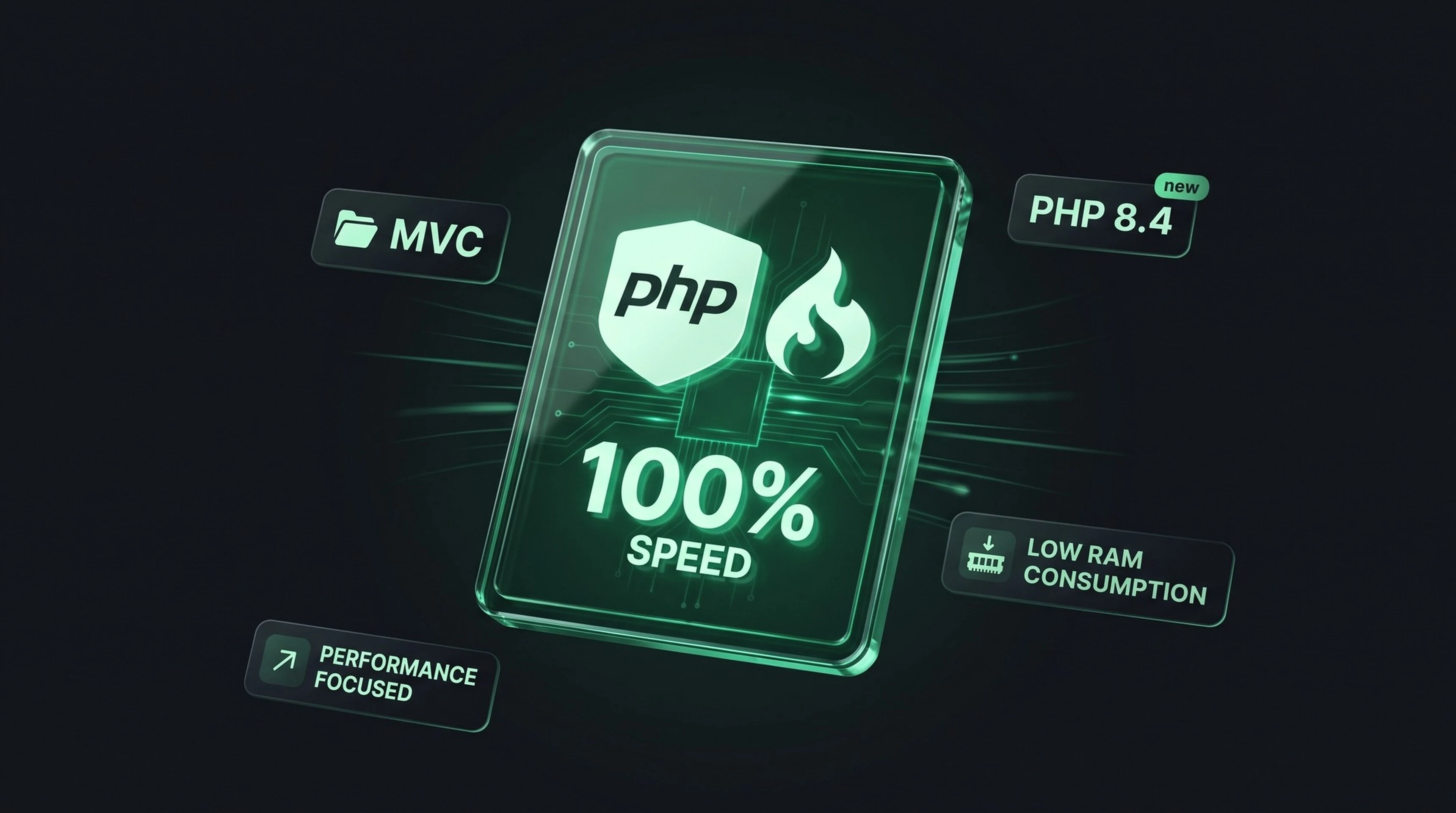
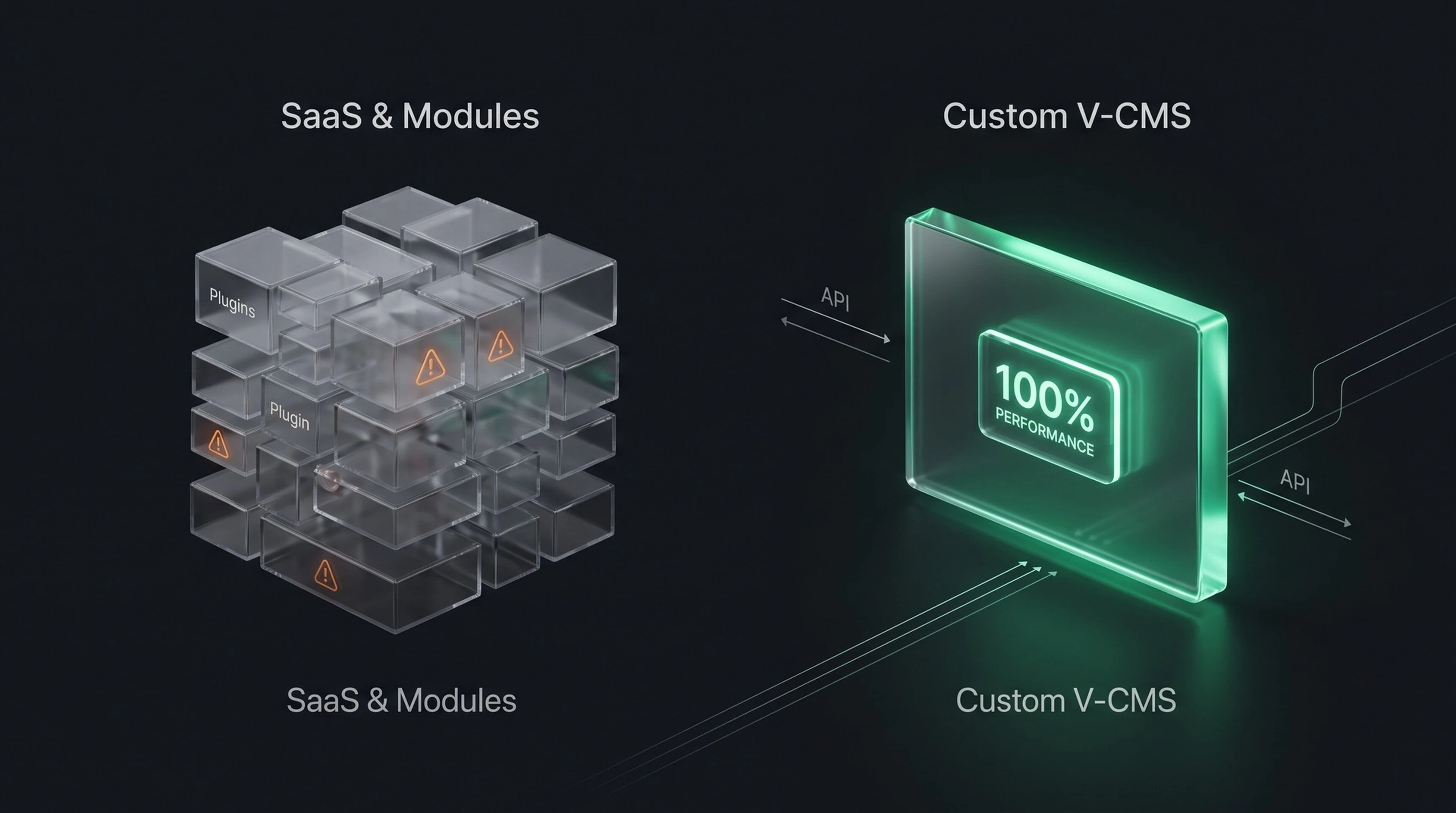
When you use heavy platforms or pre-built themes, your site loads thousands of lines of junk CSS and JavaScript code in the background that it never actually uses. This technical bloat delays page rendering, strains mobile processors, and penalizes your site in the eyes of Google's algorithms. To dominate your niche, you need a clean architecture built from scratch for speed.
The Pillars of an SEO Heavy Presentation Website
For a simple presentation site to become an active lead-generation tool, its development must follow three core rules:
1. Semantic HTML Markup and Accessibility (A11y)
Google bots do not see your site's visual layout; they read its structural data. Utilizing clean, semantic HTML code (<header>, <main>, <article>, <section>, <nav>) allows search engines to instantly index and understand the hierarchy of your content. Furthermore, web accessibility ensures the site is fully navigable for everyone, a factor that Google directly correlates with high quality and domain authority.
2. Intelligent Visual Optimization
Images are almost always the primary reason a website loads slowly. An natively optimized site will never use outdated, heavy formats like uncompressed JPEGs or massive PNGs directly on a page. The modern solution involves:
- Automatically converting and serving images in next-generation formats such as WebP.
- Implementing
srcsetattributes to deliver the perfect image resolution based on the user's screen size (desktop, tablet, or mobile). - Utilizing native lazy loading so the browser only downloads images when a user actually scrolls down to them.
3. A Customized, Lightweight Administration Panel
Another secret to long-term SEO success is how easily you can update your content. If changing a title or adding a new service requires navigating a bloated, slow control panel, you will eventually stop updating your site. The speed with which you add fresh, optimized content is directly tied to the efficiency of your custom administration dashboard.
Real-World Applications: Turning Theory into Performance
This development philosophy is not just a theoretical ideal; it is a proven strategy validated across our active projects. When we eliminate unnecessary scripts and build on an optimized architecture, search engine results appear in record time.
A prime example is the platform developed for Kloer. Although it functions fundamentally as a fully editable online catalog, its structure was treated with the exact rigors of a high-performance presentation website.
Case Study: We invite you to analyze the technical details of the Kloer project. You will see how we integrated the V-CMS 2.0 architecture to create a clean, minimalist design that respects the strictest industry standards for image optimization, accessibility, and technical SEO, while giving the client a custom admin panel tailored perfectly to their content workflow.
For projects that require an incredibly fast launch and rapid organic ranking, completely removing render-blocking assets gives your business a massive competitive edge over local or national competitors who rely on standard, bloated templates.
Organic Proof: Read more about Toto Home, another clean presentation site built on the exact same high-performance technology stack, which achieved a top 5 organic ranking on Google for its core target keywords in less than a month after launching.
Conclusion: Invest in Performance, Not Templates
An SEO heavy presentation website is a long-term investment in your independence from massive ad budgets or paid PPC campaigns. When your code is clean, images are optimized dynamically, and the structure is semantic, Google rewards you with qualified traffic day after day.
If you want your next website to be a fast, high-converting asset rather than a static page ignored by search engines, drop us a line on our Contact page and let's discuss how we can put V-CMS 2.0 to work for your brand.
Image gallery
Ready to launch high-performing software that actually drives revenue?
Let us discuss your catalog, business workflow, and timeline.
You will get an honest technical assessment and a clear path to launch.