Custom solution vs. Shopify vs. WooCommerce or PrestaShop: which fits your business?
Discover the real differences between classic platforms (WooCommerce/PrestaShop), SaaS (Shopify), and custom software. Learn how maintenance, app subscriptions, and the 70% compromise rule impact your long-term ROI.

Roman
Daniel-Gabriel
When deciding to launch an online store or rebuild an existing platform, market options generally fall into three categories: classic open-source platforms (WooCommerce, PrestaShop), SaaS platforms (Shopify), or a fully custom-developed solution.
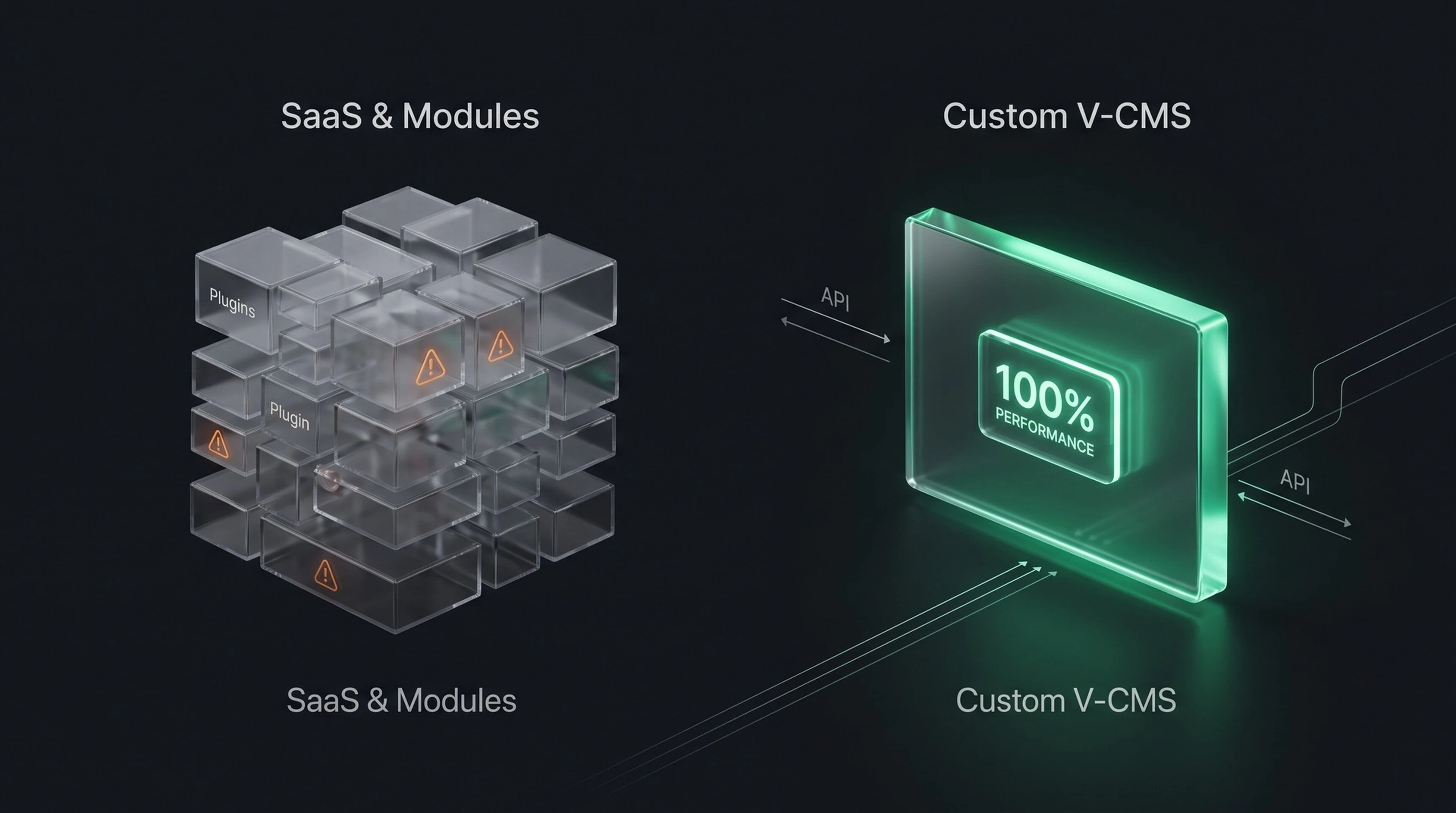
At first glance, off-the-shelf options seem fast and convenient. However, based on our experience delivering and maintaining e-commerce projects over the years, standard platforms typically cover around 70% of a business's real operational requirements. The remaining 30% is often where the complexity and the cost appears.
In this article, we directly evaluate the pros, cons, and hidden costs of each option to help you choose the right path for your current business stage.
1. Classic open-source platforms (WooCommerce, PrestaShop)
These are solid options for launching, offering low upfront development costs and relatively low initial recurring fees.
- The tipping point: As catalog size and web traffic grow, these systems require increasingly heavy investments in security patches, speed optimization, and resolving plugin conflicts.
- Hidden costs: A growing number of essential modules have shifted to monthly or annual subscription models, directly inflating operational costs while slowing down site load times.
2. SaaS platforms (Shopify)
Shopify is ideal for starting quickly, offering stable infrastructure out of the box without hosting management headaches.
- The tipping point: While initial upfront costs are low, Shopify begins eating more into profit margins over time. Ecosystem apps rely on recurring monthly fees that accumulate rapidly.
- Developer costs: Advanced custom features or tailored layout changes require specialized Shopify developers, who are generally expensive, significantly pushing up maintenance expenses.
3. Custom web platform (dedicated software)
A custom platform is built for established companies with several years in the market that fully understand their daily workflows and have hit the 70% limitation of standard platforms.
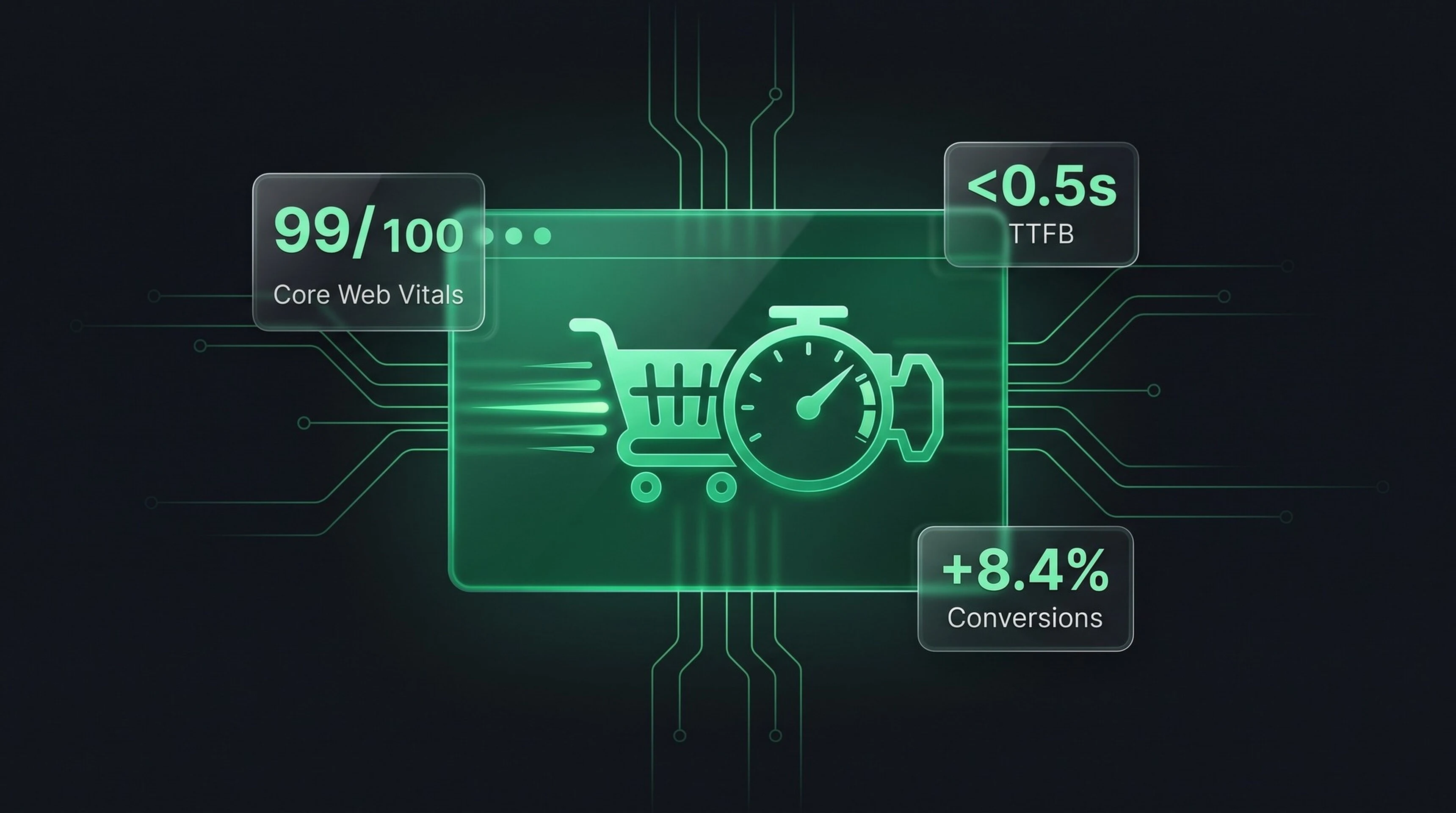
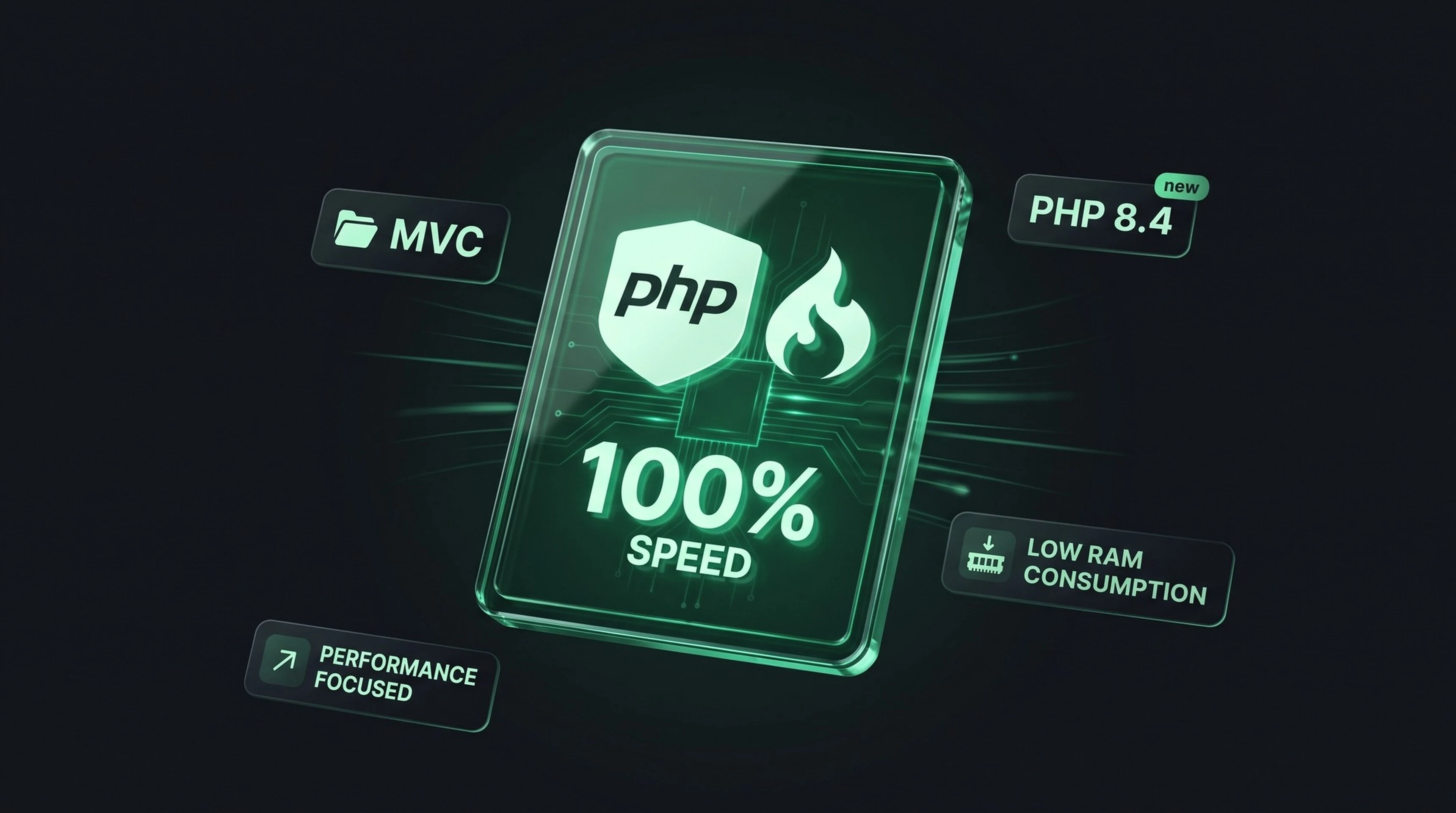
- Zero compromises: Delivers maximum loading speed, uncompromised native SEO architecture, direct API integrations (ERP, CRM, couriers, invoicing), and a user experience tailored 100% to your brand.
- Investment & resilience: Initial upfront costs are higher, as custom features add to the starting budget. However, the software becomes a fully-owned business asset, perfectly tailored to your operations and highly resilient over time without recurring plugin fees.
Quick business comparison
- Business fit: ~70% coverage based on our experience (SaaS / Open-Source) vs. 100% tailored to your workflow (Custom).
- Cost over time: Compounding app subscriptions & plugin updates vs. Higher upfront investment with zero plugin rentals.
- Performance & SEO: Degraded by plugin accumulation vs. Zero compromises on speed and technical SEO.
- Code ownership: Rented platform or plugin-dependent vs. 100% ownership of the source code.
Which should you choose for your business?
- Choose WooCommerce, PrestaShop, or Shopify if you are launching a new brand, have a limited starting budget, and want to validate a product concept without complex backend needs.
- Choose a custom solution if you run an established business, plan a major product catalog expansion, require complex inventory/production automation, and need a resilient system built to scale without friction.
Ready to build a platform tailored to your exact operations?
If you have outgrown your current setup and need a fast, stable web platform built 100% around your workflow, let us discuss your project directly.
Ready to launch high-performing software that actually drives revenue?
Let us discuss your catalog, business workflow, and timeline.
You will get an honest technical assessment and a clear path to launch.